
Post
The Crisis of 2026: A Deep Dive into the Impact of Cocaine on Public Health
As we navigate the middle of this decade, the global health landscape is facing a silent yet thunderous resurgence. While much of the early 2020s focus remained on opioids. The year 2026 has seen a staggering shift in the impact of cocaine on public health. This isn’t just a repeat of the 1980s; it is a sophisticated, high-purity, and often lethal evolution of stimulant misuse that is straining every facet of our society.
From the physiological destruction of the human cardiovascular system to the crushing weight on federal budgets, the impact of cocaine on public health is a multifaceted emergency. In this exhaustive guide, we will break down the data, the human cost. Also the systemic changes required to address this stimulant drug epidemic in the United States.
The 2026 Landscape: Impact of Cocaine on Public Health Statistics
To understand the gravity of the situation, one must first look at the raw numbers. The impact of cocaine on public health statistics in 2026 reveals a disturbing trend. A 25% increase in stimulant-related complications compared to just three years ago.
The epidemiology of cocaine use in the United States suggests that the “Fourth Wave” of the drug crisis is now fully realized. In the previous eras, modern cocaine is frequently adulterated with synthetic opioids and potent new stimulants. Making the public health consequences of cocaine use far more unpredictable than they were a decade ago.
Cocaine Overdose Public Health Statistics USA
Recent data points to a harrowing reality. The cocaine overdose public health statistics USA show that deaths involving cocaine have reached an all-time high. When users unknowingly consume cocaine laced with fentanyl or carfentanil. The result is often a fatal respiratory arrest before the stimulant effects even peak.
Cocaine Related Deaths Public Health Data
The cocaine related deaths public health data indicates that the demographic most affected has broadened. No longer confined to specific urban pockets, the impact of cocaine on public health is now a nationwide phenomenon, affecting rural communities and affluent suburbs with equal ferocity.
Analyzing the Cocaine Public Health Impact Report
Every year, the cocaine public health impact report serves as a vital tool for policymakers. The 2026 report highlights a significant shift in how we categorize the cocaine addiction public health crisis. Cocaine addiction is no longer viewed merely as a “behavioral issue” but as a systemic failure of prevention and early intervention.
The Cocaine Addiction Public Health Crisis
We are currently witnessing a cocaine addiction public health crisis that rivals the opioid epidemic in its complexity. Because there is no “Narcan for stimulants” no immediate pharmacological reversal agent for a cocaine overdose the medical community is left with fewer tools to save lives in the heat of a crisis.
The Physiological Toll: Cocaine Health Effects on the Brain and Heart
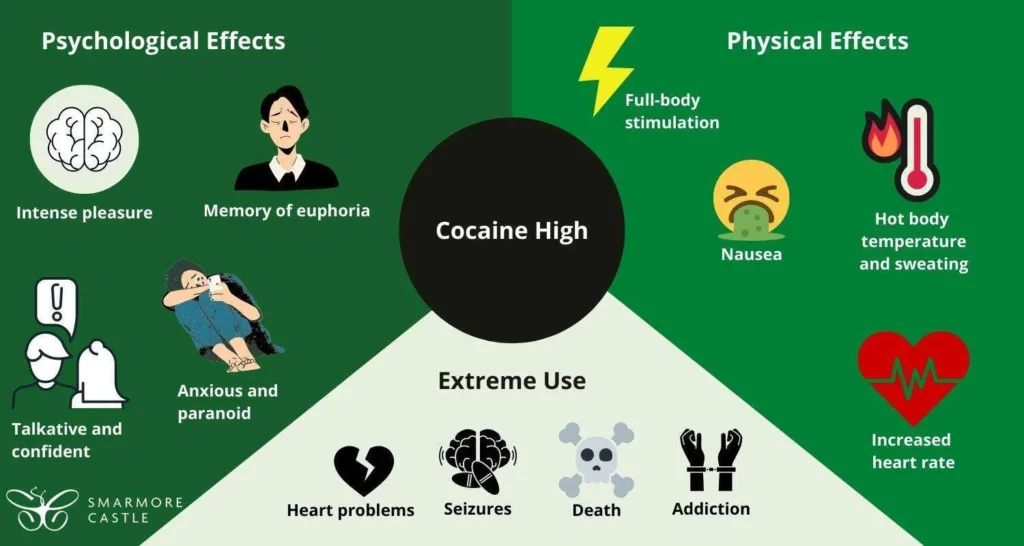
To truly grasp the impact of cocaine on public health, we must look inside the body. The cocaine health effects on the brain and heart are profound and often irreversible.
Cocaine and Cardiovascular Disease Risk
Cocaine is often called “the perfect heart attack drug.” The cocaine and cardiovascular disease risk is elevated because the drug causes immediate vasoconstriction, increased heart rate, and soaring blood pressure. In 2026, we are seeing a surge in 30-year-olds presenting with the arterial stiffness typically seen in 70-year-olds. This contributes heavily to the healthcare burden caused by cocaine use.
Cocaine Related Emergency Department Visits
The sheer volume of cocaine related emergency department visits is staggering. Patients arrive with “cocaine chest pain,” acute paranoid psychosis, and hyperthermia. These cocaine related emergency department visits place an immense strain on triage staff and ICU resources, further complicating the cocaine epidemic impact on healthcare systems.
The Systemic Strain: Cocaine Epidemic Impact on Healthcare Systems
The cocaine epidemic impact on healthcare systems goes beyond the ER. It affects long-term care, foster care systems, and mental health facilities.
Healthcare Burden Caused by Cocaine Use
The healthcare burden caused by cocaine use includes the management of chronic conditions such as endocarditis, stroke recovery, and kidney failure. As hospitals struggle with staffing shortages in 2026, the influx of patients suffering from the public health consequences of cocaine use creates a bottleneck that affects care for all patients, regardless of their medical history.
The Financial Weight: Economic Burden of Cocaine Addiction
When we discuss the impact of cocaine on public health, we cannot ignore the dollars and cents. The economic burden of cocaine addiction in the United States has surpassed $200 billion annually.
Public Health Costs of Cocaine Addiction in the US
The public health costs of cocaine addiction in the US are divided between direct medical expenses and indirect costs. Indirect costs include lost workplace productivity, legal fees, and the massive expenditure required for law enforcement.
Economic Burden of Cocaine Addiction breakdown:
- Direct Medical Costs: ER visits, long-term rehab, and pharmaceutical interventions.
- Social Services: Increased demand for child protective services and homeless shelters.
- Criminal Justice: The cost of policing, courts, and incarceration related to the cocaine misuse impact on communities.
Social Fabric: Cocaine Misuse Impact on Communities
The cocaine misuse impact on communities is often measured in “brokenness.” It’s found in the rising rates of domestic violence and the generational trauma passed down to children of users.
Community Impact of Cocaine Abuse Statistics
According to the latest community impact of cocaine abuse statistics, areas with high stimulant prevalence see a direct correlation with increased crime rates and decreased property values. However, the most tragic of the community impact of cocaine abuse statistics is the number of children entering the foster system due to parental stimulant use disorder.
Strategic Responses: Cocaine Abuse Public Health Policy
Addressing the impact of cocaine on public health requires more than just “Just Say No” campaigns. It requires a robust cocaine abuse public health policy that prioritizes science over stigma.
Cocaine Drug Policy and Public Health Outcomes
Historically, punitive measures have failed to curb the supply or demand. In 2026, experts are advocating for cocaine drug policy and public health outcomes that focus on decriminalization of the user and heavy prosecution of the high-level trafficker.
Cocaine Addiction Public Health Intervention Strategies
Innovative cocaine addiction public health intervention strategies are being trialed across the country. These include “Contingency Management” a system of tangible rewards for negative drug tests—which remains the most effective (yet underutilized) treatment for stimulant use disorder.
Treatment and Recovery: Cocaine Addiction Treatment Programs Public Health
The cornerstone of reducing the impact of cocaine on public health is expanding access to cocaine addiction treatment programs.
Cocaine Addiction Treatment Programs
Modern cocaine addiction treatment programs in 2026 are moving toward a “whole-person” approach. This involves treating the underlying trauma and co-occurring mental health disorders that often lead to stimulant use in the first place.
Cocaine Overdose Prevention Strategies Public Health
Since there is no “antidote,” cocaine overdose prevention strategies public health initiatives focus on education. This includes teaching users about the “hotspot” effect in cocaine batches and encouraging the use of fentanyl test strips—even for those who believe they are only using stimulants.
Harm Reduction: Cocaine Harm Reduction Programs USA
While controversial to some, cocaine harm reduction programs USA have proven to be lifesavers. By meeting users where they are, these programs reduce the transmission of infectious diseases and provide a bridge to eventual treatment.
Cocaine Harm Reduction Programs USA in 2026
These programs now often include mobile health vans that provide wound care, cardiovascular screenings, and basic nutrition to those caught in the cycle of the stimulant drug epidemic in the United States.
Scientific Foundations: Research Report on Cocaine Public Health Effects
A recent research report on cocaine public health effects has uncovered new data regarding the long-term cognitive decline associated with chronic use. This research report on cocaine public health effects suggests that even “recreational” users may be causing permanent changes to their brain’s reward circuitry, leading to an increased risk of depression and suicide later in life.
Summary of Cocaine Overdose Statistics USA 2026
To visualize the current crisis, consider these cocaine overdose statistics USA:
- Total Deaths: Over 30,000 annually (projected).
- Co-involvement: 75% of deaths involve at least one other substance (usually a synthetic opioid).
- Demographic Shift: The fastest-growing rate of overdose is currently among adults aged 45-60.
FAQs: Understanding the Impact of Cocaine on Public Health
How does the impact of cocaine on public health statistics differ from opioids?
While opioids primarily kill through respiratory depression, the impact of cocaine on public health statistics is often reflected in “sudden deaths” like strokes and heart attacks, which may not always be categorized as an “overdose” in initial reports.
What are the primary public health consequences of cocaine use?
The public health consequences of cocaine use range from individual health crises (brain/heart damage) to societal issues like the economic burden of cocaine addiction and the strain on the cocaine epidemic impact on healthcare systems.
Why is the cocaine addiction public health crisis worsening in 2026?
The crisis is worsening due to increased purity, lower prices, and the widespread contamination of the supply with fentanyl. This has turned a chronic health issue into an acute, lethal stimulant drug epidemic in the United States.
Are there effective cocaine addiction treatment programs public health officials recommend?
Yes. Cocaine addiction treatment programs that utilize Contingency Management, Cognitive Behavioral Therapy (CBT), and community-based support are currently the gold standard.
How can cocaine overdose prevention strategies public health initiatives help?
By distributing test strips, providing cardiovascular education, and funding cocaine harm reduction programs USA, we can keep people alive long enough to get them into recovery.
Conclusion: Turning the Tide on the Stimulant Drug Epidemic in the United States
The impact of cocaine on public health is a dark cloud over 2026, but it is not a storm we cannot weather. By investing in cocaine addiction treatment programs public health infrastructure and acknowledging the healthcare burden caused by cocaine use, we can begin to heal our communities.
The path forward requires a blend of empathy for the addicted and a rigorous application of cocaine abuse public health policy. We must stop viewing this as a peripheral issue and recognize it as a core challenge to our nation’s longevity and prosperity.
