
Post
White Powder Heroin
Jun
White Powder Heroin in: Everything You Need to Know
Heroin remains one of the most dangerous illicit opioids worldwide. Although many people recognize the name, fewer understand that heroin can appear in several different forms, colors, and purities. One of the most commonly discussed varieties is white powder heroin, which has become a frequent topic in public health education, addiction awareness campaigns, and discussions about the ongoing opioid crisis. Black Tar Brown Powder Heroin
Understanding the appearance, characteristics, and risks associated with white powder heroin helps individuals, families, educators, and healthcare professionals make informed decisions. Greater awareness also supports prevention efforts by correcting common misconceptions surrounding heroin’s physical appearance and effects.
This guide explores what white powder heroin is, how it compares with other forms of heroin, why its appearance varies, and the serious health risks associated with its use. While some people search for information simply out of curiosity, others may be seeking answers because they are worried about a loved one or want reliable educational information.
What Is White Powder Heroin?
White powder heroin is a refined form of heroin that typically appears as a fine white or off-white powder. The drug is derived from morphine, which originates from the opium poppy plant. During manufacturing, the level of refinement influences the final color, texture, and purity.
Many people ask whether heroin white powder is different from other heroin products. Although all heroin originates from the same source, the manufacturing process and the substances mixed into the final product can significantly affect its appearance. Highly refined heroin often has a lighter color, while less refined heroin generally appears tan or brown.
Despite differences in appearance, every form of heroin carries substantial health risks, including dependence, overdose, and addiction.
Is Heroin a White Powder?
A common question is, is heroin a white powder? The answer is that heroin can be a white powder, but it is not always white. Depending on production methods and the presence of impurities or additives, heroin may appear white, off-white, beige, tan, brown, or even black.
The color alone does not reliably indicate purity, potency, or safety. In many cases, illicit heroin contains unknown substances that alter both its appearance and its effects. Because there is no quality control in illegal drug production, two samples with a similar appearance may have dramatically different chemical compositions.
This uncertainty contributes to the high number of accidental overdoses reported worldwide.
Can Heroin Be White Powder?
Another frequently searched question is, can heroin be white powder? Yes, heroin can appear as a white powder when it has undergone extensive refinement. However, once it enters illegal distribution networks, dealers often mix it with other substances, which may change both its color and texture.
These added substances may include inactive fillers or, in some cases, highly potent synthetic opioids. As a result, visual appearance alone cannot determine what a powder actually contains. Public health agencies consistently warn against assuming that any illicit powder is safer because of its color or texture. Black Tar Brown Powder Heroin
What Does White Powder Heroin Look Like?
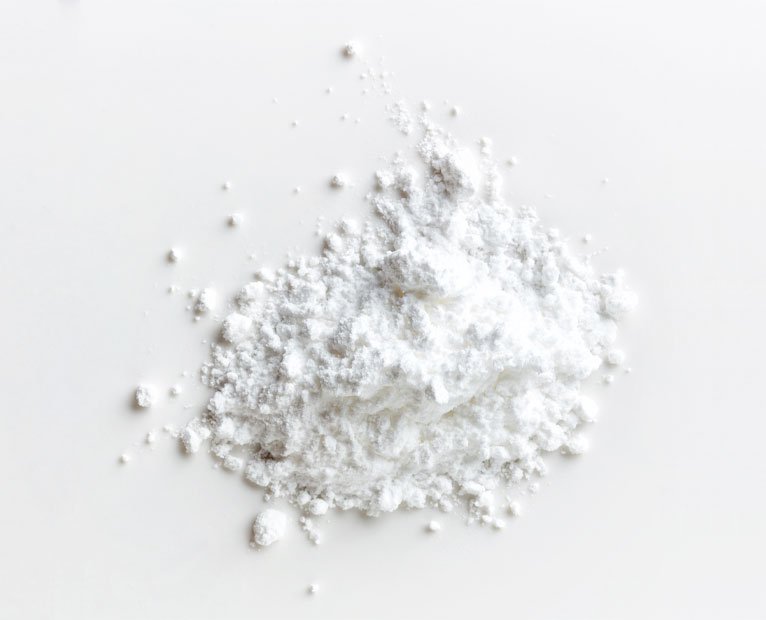
People often wonder, what does white powder heroin look like? In general, it may appear as a fine, flour-like powder ranging from bright white to slightly off-white or cream-colored. Some samples have a smooth consistency, while others appear clumpy due to moisture or impurities.
Although photographs on the internet may show a consistent appearance, there is no universal visual standard. Illicit drug production varies considerably, and different batches may differ in color, texture, and composition.
Because appearance alone cannot identify a substance, healthcare professionals emphasize that visual inspection should never be considered a reliable method of determining what a powder contains.
Heroin White or Brown Powder
Many educational resources compare heroin white or brown powder to explain differences in production and regional distribution.
White powder heroin is generally associated with a higher degree of chemical refinement before distribution. Brown powder heroin typically contains more impurities from the manufacturing process, resulting in its darker color.
However, the distinction is not absolute. Illegal manufacturing practices differ significantly across regions, and both white and brown heroin may contain a wide variety of additives. Consequently, neither color indicates that one product is safer than another.
Both forms present significant risks, including respiratory depression, infectious disease transmission when injected, overdose, and long-term opioid use disorder.
Heroin White Powder Form
The phrase heroin white powder form refers to heroin that has been processed into a fine powder instead of other physical forms. Powdered heroin is often discussed in educational materials because it is one of the more commonly recognized appearances of the drug.
The powder may vary from extremely fine to coarse depending on manufacturing methods. Environmental conditions, storage practices, and adulterants may also influence the texture. Black Tar Brown Powder Heroin
Regardless of its appearance, powdered heroin remains an illicit opioid with a high potential for dependence. Repeated exposure changes the brain’s reward pathways, making continued use increasingly difficult to control without professional treatment.
White Heroin Powder and Addiction
The dangers associated with white heroin powder extend far beyond its physical appearance. Heroin rapidly enters the brain and binds to opioid receptors that regulate pain, pleasure, and breathing. This interaction produces intense feelings of euphoria, but it also slows essential bodily functions.
With repeated use, tolerance develops. Individuals often require larger amounts of heroin to achieve the same effects, increasing the likelihood of overdose. At the same time, physical dependence can develop, causing withdrawal symptoms when use stops.
Withdrawal may include muscle aches, anxiety, sweating, nausea, insomnia, restlessness, and intense cravings. Although withdrawal is often not life-threatening, it can be extremely uncomfortable and frequently contributes to relapse without appropriate medical support. White Powder Heroin
Long-term heroin addiction affects nearly every aspect of a person’s life. Physical health, mental well-being, employment, relationships, education, and financial stability may all deteriorate as opioid use disorder progresses.
Recognizing addiction early and seeking evidence-based treatment significantly improves long-term recovery outcomes. Modern treatment approaches often combine medication-assisted treatment, counseling, behavioral therapies, and ongoing recovery support to address both the physical and psychological aspects of opioid addiction.
Black Tar, Brown Powder, and White Powder Heroin
Many people compare black tar brown powder and white powder heroin to better understand the different forms of heroin found throughout various regions.
Although all three originate from morphine extracted from opium poppies, they differ in appearance because of differences in manufacturing and refinement.
White Powder Heroin
White powder heroin is generally the most refined form. It often appears as a fine white or off-white powder and dissolves relatively easily. However, because it is produced and distributed illegally, its composition varies widely. It may contain fillers or other dangerous substances, making its actual contents impossible to determine through appearance alone.
Brown Powder Heroin
Brown powder heroin contains more impurities from the manufacturing process. Its color can range from light tan to dark brown, and its texture may be coarser than white powder heroin. Despite these visual differences, brown powder heroin remains highly addictive and carries many of the same health risks.
Black Tar Heroin
Black tar heroin has a sticky, dark appearance that resembles roofing tar or hardened resin. Instead of a dry powder, it is usually found as a solid or semi-solid substance. Like other forms of heroin, black tar heroin is an illicit opioid with unpredictable potency and significant health risks.
Understanding these differences can help explain why heroin appears in multiple forms, but it is important to remember that none of these forms should be considered safer than another.
Black Tar Heroin, White Powder Heroin, and Geography
Another commonly searched topic is black tar heroin white powder heroin geography. Historically, different forms of heroin have been more common in different parts of the United States because of manufacturing sources and trafficking routes.
In general:
- White powder heroin has traditionally been more common in many eastern regions of the United States.
- Black tar heroin has historically been more prevalent in many western states.
- Brown powder heroin has appeared in various regions depending on changing trafficking patterns and supply chains.
However, these geographic trends have changed over time. Law enforcement efforts, international production, and shifting drug markets have influenced where different forms of heroin are distributed. In addition, many illicit opioids sold today may contain synthetic opioids such as fentanyl, making appearance and historical regional patterns less reliable indicators than they once were.
Because illegal drug markets change frequently, healthcare professionals recommend avoiding assumptions based on geography or color alone.
White Powder Heroin in California
Searches for white powder heroin California often reflect concerns about regional drug trends. California has experienced significant impacts from the opioid epidemic over the past decade, although the composition of illicit opioids available in the state has continued to evolve.
Historically, black tar heroin was more commonly associated with California than white powder heroin. In recent years, however, law enforcement agencies and public health organizations have reported increasing variability in the illicit opioid market. White powder heroin and synthetic opioids have appeared more frequently in some areas, while counterfeit pills containing fentanyl have also become a major public health concern.
These changing trends demonstrate why visual appearance is no longer a dependable way to identify an illicit substance. A powder marketed as heroin may contain fentanyl or other dangerous adulterants, substantially increasing the risk of overdose.
White Powder Heroin Street Names
People also search for street names to better understand conversations surrounding illicit drug use. Street names often change over time, vary by region, and may refer to different substances altogether.
Individuals may use slang to disguise conversations about drugs or to market illicit substances. Because terminology evolves rapidly, relying on street names can create confusion rather than clarity. Public health experts recommend focusing on education about the health risks of opioid use instead of attempting to identify substances by informal nicknames.
Parents, educators, and community leaders should be aware that slang can change quickly and may differ between cities, states, and social groups. Open communication and evidence-based education are generally more effective than relying solely on lists of slang terms. White Powder Heroin
Why Appearance Does Not Determine Safety
One of the most dangerous misconceptions is that the color or texture of heroin reflects its purity or safety. In reality, illegal drug production has no quality control, and substances sold under the same name may contain vastly different ingredients.
A white powder may contain heroin, synthetic opioids, fillers, or combinations of multiple drugs. Likewise, brown or black tar heroin may vary dramatically in strength from one batch to another.
Because these products are manufactured outside regulated pharmaceutical systems, users cannot accurately determine potency through appearance, smell, or texture. This unpredictability contributes to accidental poisonings and fatal overdoses.
Health Risks Associated With White Powder Heroin
Regardless of its color, heroin use poses serious health risks that extend beyond addiction alone.
Short-term effects may include:
- Extreme drowsiness
- Slowed breathing
- Confusion
- Nausea and vomiting
- Constricted pupils
- Reduced heart rate
- Impaired judgment
Long-term use may contribute to:
- Opioid use disorder
- Chronic respiratory complications
- Cardiovascular problems
- Infectious diseases associated with injection drug use
- Mental health challenges such as depression and anxiety
- Social and financial instability
Perhaps the greatest danger is respiratory depression, which can slow or stop breathing during an overdose. This medical emergency requires immediate attention, as delayed treatment can result in permanent brain injury or death.
Recognizing the Signs of Heroin Addiction
Early recognition of opioid addiction can improve the likelihood of successful treatment. Although symptoms vary from person to person, several warning signs frequently appear as heroin use progresses.
Behavioral signs may include:
- Withdrawal from family and friends
- Declining work or academic performance
- Secretive behavior
- Financial difficulties
- Loss of interest in previously enjoyed activities
Physical signs may include:
- Frequent drowsiness
- Sudden weight changes
- Small, constricted pupils
- Changes in sleep patterns
- Poor personal hygiene
- Frequent illness or infections
Emotional symptoms often involve mood swings, anxiety, irritability, depression, and increasing preoccupation with obtaining and using opioids.
Recognizing these warning signs does not confirm heroin use, but they may indicate that professional evaluation and support are needed.
Understanding Tolerance and Physical Dependence
Tolerance and dependence are closely related but not identical concepts.
Tolerance occurs when the body becomes less responsive to heroin over time. As a result, individuals may use progressively larger amounts to achieve the same effect they once experienced with a much smaller dose.
Physical dependence develops when the body adapts to the continual presence of heroin. If drug use suddenly stops, withdrawal symptoms begin because the body struggles to function without opioids.
It is important to recognize that dependence is a medical condition rather than a sign of weak character or poor judgment. Opioid use disorder changes brain function, making recovery challenging without appropriate treatment and support.
Common Withdrawal Symptoms
Withdrawal from heroin can begin within hours after the last use, depending on several factors, including the duration and frequency of use.
Common symptoms include:
- Muscle aches
- Joint pain
- Sweating
- Chills
- Restlessness
- Anxiety
- Insomnia
- Runny nose
- Yawning
- Nausea
- Vomiting
- Diarrhea
- Intense drug cravings
Although heroin withdrawal is usually not life-threatening on its own, the symptoms can be extremely uncomfortable. Many individuals return to heroin simply to stop the withdrawal symptoms, which contributes to the cycle of addiction.
Because relapse is common during withdrawal, medical supervision is often recommended to improve comfort and increase the chances of successful recovery.
Risk Factors for Heroin Addiction
No single factor causes heroin addiction. Instead, opioid use disorder usually develops through a combination of biological, psychological, environmental, and social influences.
Some individuals may have a higher risk due to genetics or a family history of substance use disorders. Others may begin using opioids after receiving prescription pain medications and later transition to illicit opioids.
Additional risk factors include:
- Previous opioid misuse
- Untreated mental health conditions
- Exposure to trauma
- Chronic stress
- Social isolation
- Peer influence
- Limited access to healthcare
- Economic hardship
Having one or more risk factors does not guarantee that someone will develop heroin addiction. Likewise, people without obvious risk factors may still become addicted after repeated opioid use.
Understanding these contributing factors helps families, healthcare professionals, and communities focus on prevention and early intervention.
Why Overdose Risk Has Increased
One of the most significant public health concerns surrounding heroin is the increasing unpredictability of the illicit drug supply.
In many areas, substances sold as heroin may contain synthetic opioids such as fentanyl or related compounds. These substances can be far more potent than heroin itself, making accidental overdose much more likely.
Because users generally cannot determine exactly what an illicit substance contains, even experienced individuals face substantial risk. Small differences in potency may dramatically affect breathing and heart function.
Signs of an opioid overdose may include:
- Extremely slow or stopped breathing
- Blue or gray lips and fingernails
- Loss of consciousness
- Pinpoint pupils
- Inability to wake the person
- Weak or absent pulse
An opioid overdose is a medical emergency. Immediate emergency medical assistance is critical whenever an overdose is suspected.
Evidence-Based Treatment for Heroin Addiction
The encouraging news is that heroin addiction is treatable. Recovery often requires time, commitment, and ongoing support, but many people successfully overcome opioid use disorder with evidence-based care.
Treatment plans are individualized and may include several components working together.
Medical Detoxification
For some individuals, treatment begins with medically supervised withdrawal management. Healthcare professionals monitor symptoms, manage complications, and help improve comfort during the withdrawal process.
Medical detox addresses the immediate physical effects of stopping heroin, but it does not treat addiction by itself. Long-term treatment is typically recommended following detoxification.
Medication-Assisted Treatment (MAT)
Medication-assisted treatment has become one of the most effective approaches for opioid use disorder.
Approved medications may help:
- Reduce cravings
- Decrease withdrawal symptoms
- Lower the risk of relapse
- Improve treatment retention
- Reduce overdose risk
These medications are used alongside counseling and behavioral therapies rather than as stand-alone treatments.
Research consistently demonstrates that combining medication with counseling produces better long-term outcomes than either approach alone for many individuals.
Behavioral Therapy and Counseling
While medications address the physical aspects of opioid dependence, counseling focuses on the emotional, behavioral, and psychological components of addiction.
Behavioral therapies help individuals:
- Identify triggers
- Develop healthier coping skills
- Improve decision-making
- Manage stress
- Rebuild damaged relationships
- Prevent relapse
Treatment may involve individual counseling, group therapy, family therapy, or a combination of approaches depending on each person’s circumstances.
Many recovery programs also address co-occurring mental health conditions such as anxiety, depression, or post-traumatic stress disorder.
The Importance of Long-Term Recovery Support
Recovery from heroin addiction does not end after detoxification or the completion of a treatment program. Like many chronic medical conditions, opioid use disorder often requires ongoing management.
Long-term recovery support may include:
- Outpatient counseling
- Peer support groups
- Recovery coaching
- Sober living environments
- Family education
- Regular medical follow-up
Building a stable support system helps individuals maintain recovery while navigating life’s daily challenges.
Supporting a Loved One With Heroin Addiction
Watching someone struggle with heroin addiction can be emotionally overwhelming for family members and friends. Many people feel uncertain about how to help without enabling continued substance use.
Supportive approaches often include:
- Encouraging professional treatment
- Listening without judgment
- Learning about opioid use disorder
- Setting healthy personal boundaries
- Participating in family counseling when appropriate
- Remaining patient throughout the recovery process
Recovery is rarely a straight path. Some individuals experience setbacks before achieving long-term stability. Continued encouragement and access to professional care can make a meaningful difference over time.
Reducing Stigma Through Education
Misunderstanding and stigma often prevent individuals from seeking treatment for heroin addiction. Many people delay asking for help because they fear judgment from family members, employers, or society.
Education plays an important role in changing this perception.
Healthcare professionals now recognize opioid use disorder as a chronic medical condition that affects brain function. Like many other chronic illnesses, successful management often involves ongoing treatment, lifestyle changes, and continued support.
Reducing stigma encourages earlier intervention, increases access to healthcare, and improves recovery outcomes for individuals living with opioid addiction.
As communities become better informed about substances such as white powder heroin and the realities of opioid addiction, they are better equipped to promote prevention, compassion, and evidence-based treatment.
Frequently Asked Questions About White Powder Heroin
Is heroin a white powder?
One of the most common questions people ask is, “is heroin a white powder?” The answer is that heroin can be white, but it is not always white. Depending on how it is manufactured and what substances are mixed with it, heroin may appear white, off-white, tan, brown, or black. Color alone cannot identify the contents or potency of an illicit substance.
Can heroin be white powder?
Yes. Many people also ask, “can heroin be white powder?” Highly refined heroin may appear as a fine white or off-white powder. However, illicit heroin often contains unknown additives, meaning appearance alone does not indicate purity or safety.
What does white powder heroin look like?
When discussing what does white powder heroin look like, most educational descriptions refer to a fine powder that ranges from bright white to cream-colored or off-white. Some samples appear smooth, while others may contain small clumps due to moisture or impurities.
It is important to remember that appearance varies significantly, and visual identification cannot determine exactly what a substance contains.
Is white heroin powder more dangerous than brown heroin?
Whether someone encounters white heroin powder or brown heroin, both forms present serious health risks. Addiction, overdose, respiratory depression, and long-term health complications can occur regardless of color. Modern illicit drug supplies may also contain synthetic opioids that greatly increase overdose risk.
What is the difference between heroin white or brown powder?
The primary difference between heroin white or brown powder involves manufacturing and refinement. White heroin is generally more refined before distribution, while brown heroin often contains more residual impurities from production.
Despite these differences, both forms are illegal, unpredictable, and highly dangerous.
What is heroin white powder form?
The phrase heroin white powder form refers to heroin that appears as a fine powdered substance rather than a sticky or resin-like material. Powdered heroin is simply one physical form of the drug and does not indicate reduced risk or greater purity.
What are common white powder heroin street names?
Many people search for white powder heroin street names to better understand conversations surrounding illicit drug use. However, slang changes frequently and differs by region. The same street name may even refer to different substances in different communities.
For that reason, healthcare professionals encourage focusing on education about the dangers of opioids rather than relying on slang terminology for identification.
What is known about white powder heroin in California?
Searches related to white powder heroin California often reflect concerns about regional opioid trends. California has experienced significant changes in its illicit opioid market over the years. While black tar heroin historically dominated many areas, more diverse forms of heroin and synthetic opioids have been identified in various regions.
These shifts reinforce the importance of recognizing that illegal drug markets constantly evolve, making assumptions based on appearance or geography increasingly unreliable.
Common Myths About White Powder Heroin
Misunderstandings about heroin continue to circulate online and in everyday conversations. Correcting these myths helps improve public awareness.
Myth 1: White heroin is safer.
False. White powder heroin is not safer than brown powder or black tar heroin. Every form carries serious health risks, including overdose and addiction.
Myth 2: Color shows purity.
False. The color of heroin does not accurately indicate purity or strength. Unknown additives and contaminants may be present regardless of appearance.
Myth 3: Occasional use cannot lead to addiction.
False. Repeated opioid use can quickly change brain chemistry. Some individuals develop opioid use disorder after relatively short periods of use, particularly with potent illicit opioids.
Myth 4: Recovery is impossible.
False. Many people successfully recover from heroin addiction with evidence-based treatment, ongoing support, and continued commitment to recovery.
The Importance of Seeking Help Early
Recognizing opioid misuse early provides the best opportunity for effective treatment. Individuals who receive professional care before addiction becomes more severe often experience improved long-term outcomes.
Healthcare providers can evaluate each person’s situation and recommend individualized treatment plans that may include medication-assisted treatment, behavioral counseling, recovery support services, and mental health care.
Family members should remember that compassion, patience, and encouragement often create a stronger foundation for recovery than blame or shame.
Final Thoughts
Understanding white powder heroin involves much more than recognizing its appearance. Although many people search questions such as is heroin a white powder, can heroin be white powder, or what does white powder heroin look like, the most important fact is that every form of heroin carries significant health risks.
Whether discussing white heroin powder, heroin white powder, heroin white or brown powder, black tar brown powder and white powder heroin, or regional topics such as black tar heroin white powder heroin geography and white powder heroin California, one message remains consistent: illicit opioids are unpredictable, highly addictive, and potentially life-threatening.
Modern opioid markets have become increasingly complex due to changing trafficking patterns and the presence of powerful synthetic opioids. As a result, visual appearance is no longer a reliable indicator of a substance’s contents or potency.
Education remains one of the most effective tools for prevention. By understanding how heroin affects the brain and body, recognizing the signs of opioid addiction, and encouraging early access to evidence-based treatment, individuals and communities can help reduce the devastating impact of opioid misuse.
If you or someone you know is struggling with heroin addiction, seeking professional medical care as early as possible can make a meaningful difference. Recovery is achievable, and many people go on to rebuild healthy, productive lives with the right treatment and ongoing support.
Conclusion
White powder heroin continues to be one of the most searched topics related to opioid addiction because many people want to understand its appearance, forms, and risks. While it may differ visually from brown powder or black tar heroin, the dangers remain the same. Addiction, overdose, and long-term health consequences can affect anyone who uses illicit opioids.
Staying informed, supporting prevention efforts, reducing stigma, and encouraging access to professional treatment are essential steps in addressing the ongoing opioid crisis. Accurate information empowers individuals, families, and communities to make safer decisions and support those affected by opioid use disorder with compassion and eviden
